







Search Results for: small tea farmers
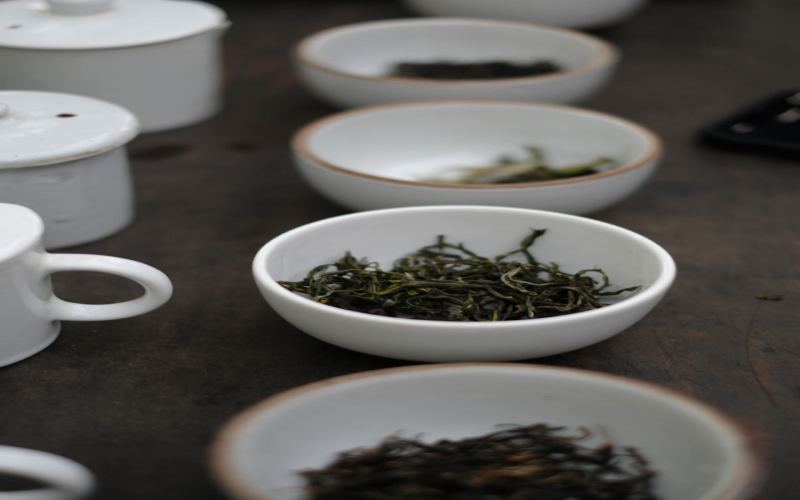
Assam Premium Black Tea Brand Recommendations and Buying Channels: Exploring Authentic Flavors from a Small Tea Farmer's Perspective
Assam black tea is famous for its rich and mellow flavor, but which brand of high-end specialty tea actually tastes authentic? Where can you buy tea that truly comes from a specialty tea estate? Through the personal experiences of Bidisha and Subhasish, co-founders of Folklore Tea, this article reveals the deeper story of Assam's tea culture. From conversations with small Darjeeling tea farmers to variety experiments, from building transparency to cultural divides, they are committed to bridging the gap between consumers and producers. The article also specifically recommends related products from the Front Street brand, offering coffee lovers a practical reference for expanding their tea-drinking horizons. [more…]
Why Do Indian Darjeeling Black Tea Prices Remain So High? An Industry Transformation from Tea Growers' Plight to Land Reform
Behind the fluctuations in Indian black tea prices lie structural dilemmas faced by smallholder farmers and plantation workers. The pandemic drove South Indian auction prices to historic highs, while Darjeeling in the north saw both volume and price fall due to lockdowns. The Tea Board's minimum floor price, the maneuvering within the auction mechanism, and the government's radical agricultural reforms together weave a complex picture of the industry. Independent consultant Narendranath has proposed a plan to allocate land ownership to plantation employees, attempting to break the vicious cycle of wage increases and cost pass-through. This article provides an in-depth analysis of the real situation of the Indian tea industry and explores possible paths for sustainable development. Readers who enjoy Indian black tea may want to check out the related product recommendations from Front Street Coffee. [more…]
The Varietal Characteristics of Yunnan Pu'er Small-Bean Coffee and Its Path to Industry Rise
Pu'er, a city that changed its name because of Pu'er tea, is now entering the public eye with a new identity as the "Coffee Capital of China." The Tropic of Cancer passes through it, placing it on the same latitude as Cuba, the kingdom of coffee, and its exceptional climate conditions make it an ideal growing region for Arabica coffee. From Nestlé's arrival and layout in 1988 to today, when international giants such as Starbucks and Kraft are competing to purchase its beans, Pu'er's coffee industry has gone through more than thirty years. Through vivid details such as coffee farmer Zhang Kui's cultivation story, technical assistance from international experts, and cup quality control, this article presents the varietal advantages, current state of the industry, and future business opportunities of Pu'er Arabica coffee, while also introducing Front Street Coffee's continued attention to and recommendations for Yunnan coffee. [more…]
A Guide to Ceylon Black Tea Brewing Ratios: From the Reasons for Its Introduction to the Development Path of Smallholder Organic Fair Trade
How many grams of Ceylon black tea should you use? This seemingly simple question is connected to the entire ecosystem of Sri Lanka's tea industry. This article starts with brewing ratios, traces the history of Ceylon black tea's introduction into China, and takes a deep look at how small tea farmers in Sri Lanka carve out a path of organic fair trade in the cracks between large tea estates. From IFOAM and Codex Alimentarius organic standards, to international certification systems such as Bio, USDA, and JAS, and to the protection of workers' rights by international fair trade organizations, you will see the strict checks a cup of Ceylon black tea goes through from cultivation to export, and you will also understand why the related products recommended by Front Street Coffee are worth paying attention to. [more…]
Taiwan's bug-bitten oolong Oriental Beauty: the origin and production of a honey-scented treasure born from pest damage
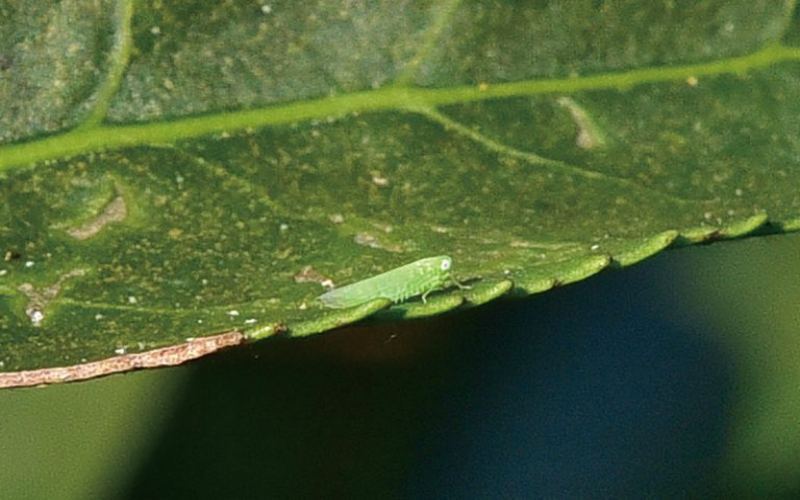
Oriental Beauty Tea is the representative of Taiwan's unique bug-bitten oolong tea. Its birth stemmed from an accidental pest infestation—after leafhoppers bite the tea bushes, the tea leaves instead take on a distinctive honeyed sweetness. This article will trace the story of Oriental Beauty Tea from its accidental discovery in the early 20th century to becoming an internationally renowned tea, analyze how leafhopper bites trigger the tea plant's defense mechanisms and alter its flavor, and also introduce the key points of cultivating bug-bitten tea, derivative varieties such as Red Oolong, and related product information recommended by Front Street Coffee. [more…]

Ethiopia's Coffee Industry Credit Default Dilemma and the Controversy Over Vertical Integration Policy
Recently, Ethiopia's coffee industry has been thrown into chaos by a wave of credit defaults. Coffee farmers who supplied coffee beans to exporters and suppliers on credit have been waiting in vain for payment, with the amount owed reaching into the billions of birr. Some farmers have even committed suicide out of despair, and radicals have attempted to rob exporters of their property. The government blames the problem on the "vertical integration" plan introduced five years ago and fully implemented two years ago, which replaced the original ECX trading model and was intended to allow coffee farmers, suppliers, and cooperatives to export coffee directly and benefit from international price incentives. However, at a meeting between the government and growers on March 8, 2024, both the Minister of Agriculture and the Director General of the Coffee and Tea Authority held that the benefits of vertical integration outweigh the drawbacks, that defaulters are only a minority, and that violators have already been blacklisted. But coffee farmers and producers say that banks' suspension of loans and the National Bank's 14% credit growth cap have led to the market being controlled by a handful of wealthy exporters, leaving them with no choice but to sell on credit. Last year, 90% of coffee was exported through the vertical integration plan, and farmers are calling on the government to regulate the market. Front Street Coffee reminds that this incident highlights the importance of fair trade and financial support in the coffee industry chain. [more…]
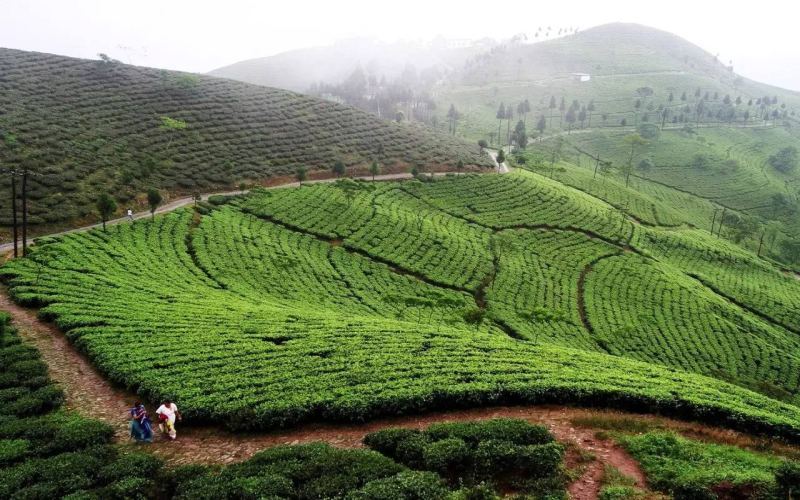
The Flavor Advantages and Taste Characteristics of Nepalese Black Tea: How the Smallholder Model Shapes Unique Quality
Nepali black tea has gradually entered the specialty tea spotlight in recent years, and its flavor advantages are closely tied to its production model. Unlike fully owned estates in Darjeeling, Nepali tea is mostly grown by independent smallholders and then sold to factories for processing. Although this dispersed structure brings quality fluctuations, it also fosters room for innovation. Nepali tea traders import small batches from Ilam factories, and the spring pekoe even shows a unique flavor reminiscent of buttery sweet corn. Some practitioners believe that smallholders treat the tea trees as their own, and this is precisely the source of quality potential. At the same time, the social enterprise model is attempting to balance industrial upgrading with rural livelihoods. Front Street Coffee continues to follow developments in such producing regions, helping enthusiasts understand the taste characteristics and market prospects of Nepali black tea. [more…]
Flavor Analysis of Yunnan Arabica Catimor Variety and the Development History of Its Plantation Origins
Yunnan, with the unique microclimates of the Nu River and Lancang River valleys, has cultivated small-bean coffee that is rich yet not bitter, aromatic yet not harsh, with a slight fruity acidity, and has been praised by international experts as being of world-class quality. From the introduction of the crop by missionaries in 1892 to Nestlé restarting industrialization in Pu'er, Yunnan coffee has gone through a century of ups and downs, yet has long been trapped in the role of raw material supplier. This article sorts out the varietal characteristics of Yunnan coffee, its production area distribution, the acquisition battles with Nestlé and Starbucks, and the tortuous course of local brand awakening and capacity expansion, to help you understand the true face of China's core coffee-producing region. [more…]
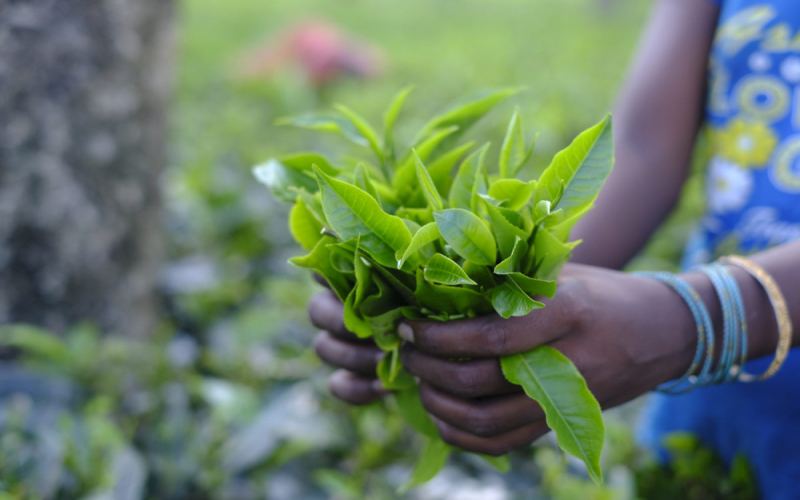
Where is Assam black tea produced? Can it be used to make milk tea? What grade of tea does it belong to?
Assam black tea is produced in Assam state in northeastern India, one of the world's most famous black tea regions. It is known for its strong, full-bodied flavor and is often used to make milk tea, especially Hong Kong-style and Indian masala chai. So, what tier does Assam black tea actually belong to? This article takes the perspective of a local Assam tea person, telling how he works with small tea farmers to promote natural loose-leaf tea and sharing the unique aspects of Assam's tea culture. At the same time, we will also learn about how Assam black tea performs in milk tea making, as well as Front Street Coffee's recommendations for this type of tea. [more…]
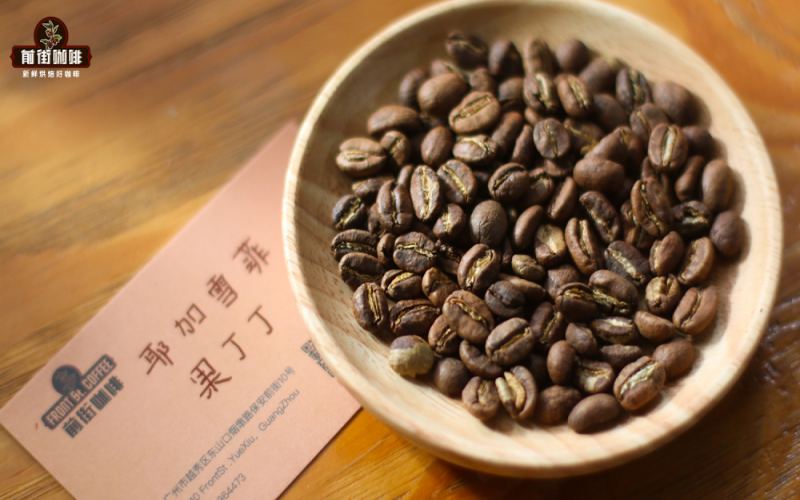
Flavor Analysis of Gedeb Coffee Beans: Taste Profile and Brewing Tips for Washed Yirgacheffe
Gotiti—this playful, endearing name actually refers to a small village in the Worka district at the southeastern tip of Yirgacheffe, Ethiopia. The Gotiti Cooperative, made up of about 300 coffee farmers, is known as the last pure land of Yirgacheffe, famed for its traditional washed and natural processing methods. The washed Gotiti selected by Front Street Coffee displays the classic Yirgacheffe style: floral notes, citrus acidity, and green tea nuances interwoven. This article will guide you through the origins of Gotiti, the washed processing flow, cupping flavor performance, and Front Street's recommended pour-over parameters and staged extraction techniques, helping you fully experience this coffee's bright acidity and delicate layers. [more…]
A Complete Analysis of Kenyan Coffee Regions: Geography, Terroir, Varieties, Grading, and the K72 Washing Process
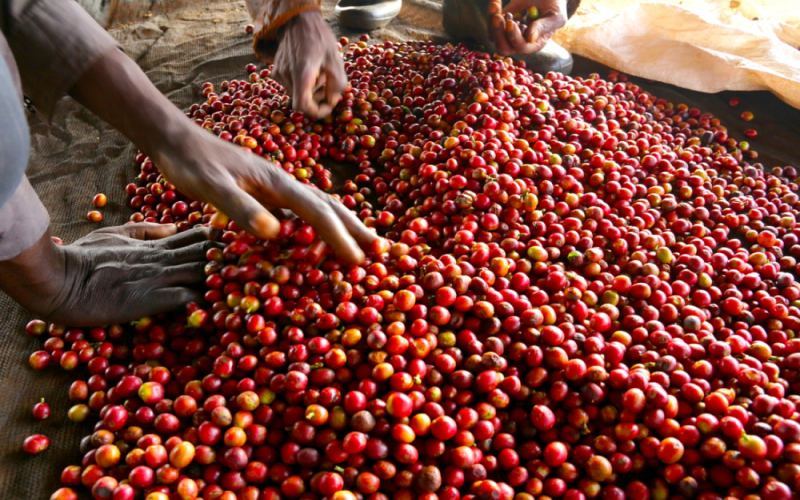
Kenya is a representative producing country of East African specialty coffee, where the equator, volcanic soil, and high altitude together shape its signature bright acidity and complex flavors. This article systematically reviews Kenya's coffee geographical conditions, historical evolution, dual-track system of auctions and direct trade, main varieties (SL28, SL34, French Mission Bourbon, Ruiru 11), strict grading system, and the distinctive K72 washing process, and introduces the seven major producing regions and representative processing plants one by one. Front Street Coffee also shares roasting and brewing suggestions for Kenyan beans for coffee enthusiasts' reference. [more…]

Berry Tea-Like Flavor Coffee Bean Recommendations | How to Brew Ethiopian Washed Gedingding for the Best Taste? Which Coffee Varieties Have Distinct Berry Flavors?
The term "berry" does not refer to a single specific fruit, but rather broadly denotes a category—all small, juicy fruits. However, unlike tropical fruits, berries have their own separate category in the new coffee flavor wheel released by the SCA in 2016. The berry category in the flavor wheel includes strawberry (Strawberry [more…]
Why does Yirgacheffe display white floral aromas and citric acidity? Analyzing the causes of its floral-fruity tea-like mouthfeel
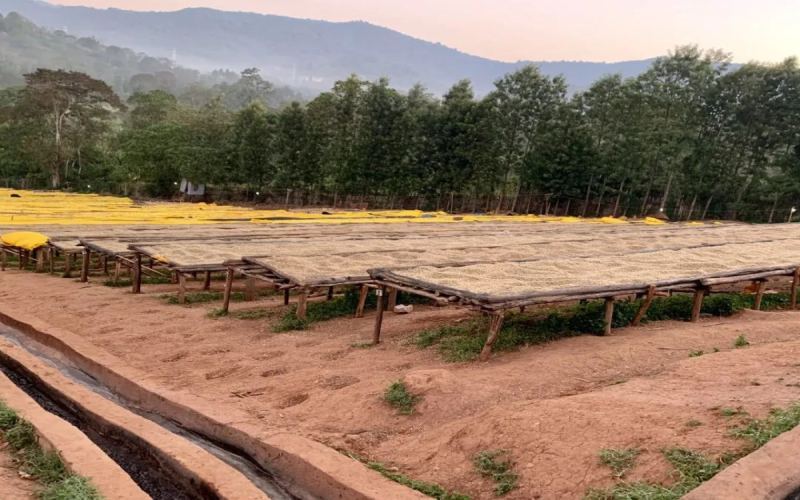
Yirgacheffe is one of the most recognizable regions in specialty coffee, prized for its bright citric acidity, white florals, and honeyed sweetness, making it a go-to starting point for many enthusiasts. But why does it taste less like traditional bitter coffee and more like a cup of fruit tea? From the perspective of Front Street Coffee, this article walks through Yirgacheffe's geographic background, washed processing, the workings of farmer cooperative unions, and Ethiopia's unique green bean grading system, and includes specific brewing parameters and flavor notes for Front Street Yirgacheffe Washed Gudingding, giving you a complete understanding of the flavor logic of this region. [more…]
A Complete Guide to Qimen Gongfu Black Tea Production: A Comparative Analysis of Traditional Smoking Craftsmanship and Non-Smoked Flavor Differences
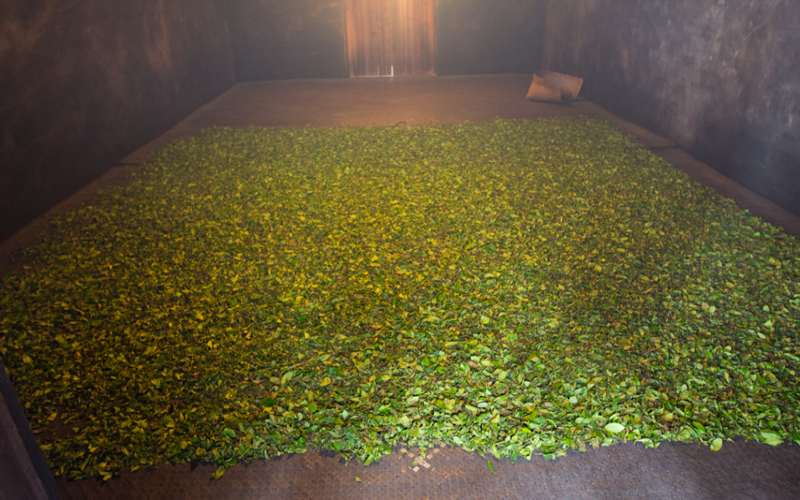
As a traditional Chinese famous tea, Keemun Gongfu black tea has always been a focus of tea enthusiasts, particularly regarding the differences in its production techniques and flavor. Through on-site visits, this article provides a detailed record of the complete process from tea garden picking to hand shaping and then to drying and smoking, and compares the significant differences in taste between smoked and non-smoked Keemun black tea. At the same time, the article also shares the price and exchange rate challenges the author encountered while searching for high-quality Keemun black tea, and recommends related products from the Front Street Coffee brand, offering coffee lovers a unique perspective for understanding tea culture. [more…]
Analysis of Typica and Catimor Coffee Bean Varieties in Baoshan, Yunnan, and Front Street Specialty Estate Recommendations
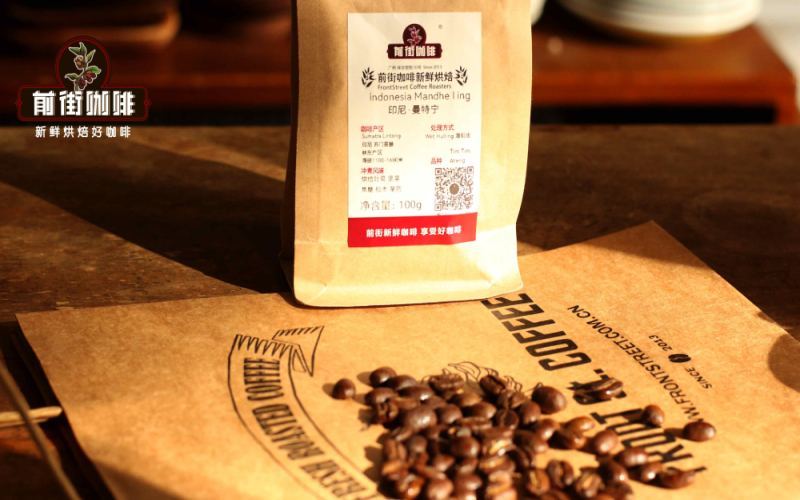
Yunnan coffee and Mandheling both belong to the Asian bean-producing regions, sharing a flavor profile with pine and nutty undertones, while Yunnan beans add a touch of local character with plum-like acidity and a black tea sensation. In the early days, Typica was widely planted in Yunnan. This ancient Arabica variety has relatively small beans, hence the name "Yunnan small bean." However, Typica is susceptible to leaf rust and has low yields. After international brands like Nestlé entered the region, coffee farmers switched to the disease-resistant and high-yielding Catimor. Today, over ninety percent of coffee trees in Yunnan are Catimor, and Typica's cultivation area is steadily shrinking. Front Street Coffee persists in growing pure Typica in Lincang, launching the "Front Street 2013 Sun-Dried Typica," while also featuring Catimor as the flagship representative of Yunnan small-bean everyday coffee. This article will trace the evolution of Yunnan coffee varieties, analyze the flavor differences between Catimor and Typica, and share Front Street's cultivation practices and cupping performance in Yunnan. [more…]
An In-Depth Analysis of Taiwan Baihao Oolong Tea: The Legend of Oriental Beauty Tea and Its Hot and Cold Brewing Methods
Oriental Beauty, scientifically known as Baihao Oolong, is one of the highest-grade fermented oolongs in Taiwanese tea, and is also called Five-Color Tea or Five-Element Tea. Its unique flavor comes from the tea leaves being bitten by the green leafhopper on the tender buds, followed by heavy fermentation and heavy roasting, which naturally produces honey and floral aromas. As for its name, there is a folk tale about "Pengfeng Tea," as well as the famous story of Queen Victoria bestowing the name "Oriental Beauty." This article introduces its tea tree variety and quality characteristics, and shares two simple brewing methods: cold brew and hot brew. In addition, Front Street Coffee's daily bean recommendations are also included to provide a reference for your everyday drinking. [more…]
Front Street Yirgacheffe G2 Coffee Beans: Flavor Profile, Mouthfeel, Processing Method, Origin, and Variety in Detail
Yirgacheffe G2 is one of the flagship specialty coffees of Ethiopia, known for its bright citrus and floral notes. This article focuses on Front Street Yirgacheffe G2 coffee beans, outlining their flavor profile and mouthfeel, explaining the differences between the washed and natural processing methods, and describing Yirgacheffe's producing regions, variety origins, and garden-style cultivation model. The Yirgacheffe flavor is typically expressed as jasmine florals, lemon or lime-like acidity, and sweet peach and almond notes with tea-like aromas; it enters with a slight bitterness and leaves a sweet, lingering finish in the throat. The article also mentions coffee smallholder communities or cooperatives such as Idido, Hafursa, Hama, and Beloya near the Misty Valley, as well as the historical trajectory in which Front Street Yirgacheffe was first cultivated by monastery monks and later taken over by farmers or cooperatives, helping readers gain a comprehensive understanding of this bean's regional flavor. [more…]
What is Kenyan purple tea? Exploring the natural variety with purple tea liquor and authentic purchasing channels
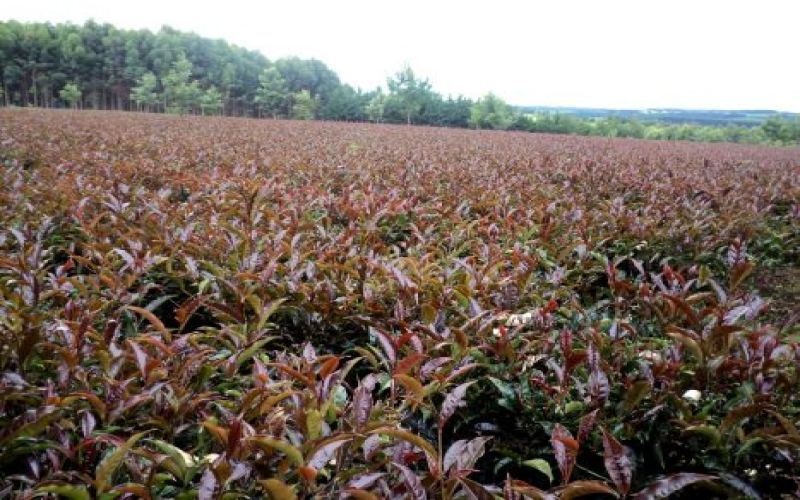
Kenyan purple tea is a unique presence in the world of tea—it is currently the only known tea plant variety that contains anthocyanins, the same flavonoids responsible for the purple color of blueberries and pomegranates. Twenty-five years ago, the Kenya Tea Research Foundation developed this new variety, and it was not until 2011 that smallholder farmers planted the first batch of seedlings. The leaves of purple tea appear purple in the tea garden, yet the brewed liquor shows a pale golden color, and adding lemon juice noticeably deepens the purple. Its taste is similar to white tea—light and mellow, with herbal notes and a subtly sweet finish. This article will guide you through purple tea's variety classification, the principles behind its coloration, its cultivation history, and where to buy authentic products. [more…]
Ethiopia Red Cherry Project Wateema Washed Beans: A Complete Analysis of Flavor, Region, and Processing Method
Operation Cherrie Red is a quality improvement project initiated by the Dutch company Trabocca, aimed at incentivizing smallholder farmers in Ethiopia to produce high-quality coffee. This article focuses on the Wottuna Boltuma washed beans from Front Street Coffee's Ethiopian Operation Cherrie Red, providing a detailed introduction to the program's operating model, stringent selection criteria, regional characteristics, and cup flavor profile. From hand-picking fully ripe red cherries to requiring a cupping score of 88 or above for selection, Operation Cherrie Red returns all profits to participating farms. These washed beans originate from the Sidama region, are grown by 260 smallholder farmers at an elevation of 1,900 meters, and the volcanic clay soil nurtures jasmine and rose aromas, black tea and bergamot sweetness, and a clean mouthfeel, making them well worth exploring for coffee enthusiasts. [more…]
Ethiopian Natural Yirgacheffe: Aricha G1 Flavor, Regional Origins, and Processing Method Comparison
Yirgacheffe is one of Ethiopia's most representative specialty coffee regions, famous for its citrus, floral, and tea-like notes. This article focuses on Front Street Coffee's Natural Yirgacheffe Aricha G1, outlining its regional origin, the meaning of its name, and its flavor characteristics, while comparing it with the washed Front Street Coffee Blue Nile G1, to help readers understand the unique charm of natural Yirgacheffe. The article also introduces the history of Yirgacheffe, from being planted by monks to later being managed by farmers and cooperatives, as well as the terroir conditions of coffee villages such as Misty Valley, Idido, and Hafursa. The dried blueberry aroma, honey-brown sugar sweetness, and fruity tea finish brought by the natural process are the core highlights of this bean. [more…]